


Pesticides are widely used in agriculture, landscaping, public health, and even residential settings to control insects, weeds, fungi, and other pests. While they can be effective tools for protecting crops and reducing disease risk, pesticides also contain chemicals that may pose health and environmental hazards if handled incorrectly. Safe use depends on understanding proper handling practices, reading instructions carefully, and minimizing unnecessary exposure.
Understanding the Risks
Pesticides are designed to affect living organisms, which means they can also affect humans, pets, and beneficial insects if misused. Exposure can occur through skin contact, inhalation, ingestion, or accidental contamination of food and water. Short-term exposure may cause symptoms like skin irritation, dizziness, or nausea, while long-term exposure to certain chemicals can pose more serious health risks. Because of this, responsible handling is essential in every setting.
Health and environmental organizations emphasize that pesticides should only be used when necessary and always according to approved guidelines. Many also encourage approaches that reduce reliance on chemical pest control whenever possible.
Read and Follow Label Instructions
The most important rule of pesticide safety is to read and follow the product label. The label is a legal document that provides critical information on safe usage, including application methods, required protective equipment, dosage limits, and first aid instructions. It also specifies where and when the product can be used safely.
Users should never assume that more pesticide will produce better results. Overuse can increase risks to human health and damage plants, soil, and surrounding ecosystems. Always measure carefully and apply only as directed.
Wear Appropriate Protective Equipment
Personal protective equipment helps reduce exposure during mixing, handling, and application. Depending on the product, this may include gloves, long-sleeved clothing, protective eyewear, masks or respirators, and closed-toe shoes. Even when products are labeled as low toxicity, protection is still recommended because repeated or prolonged exposure can still be harmful.
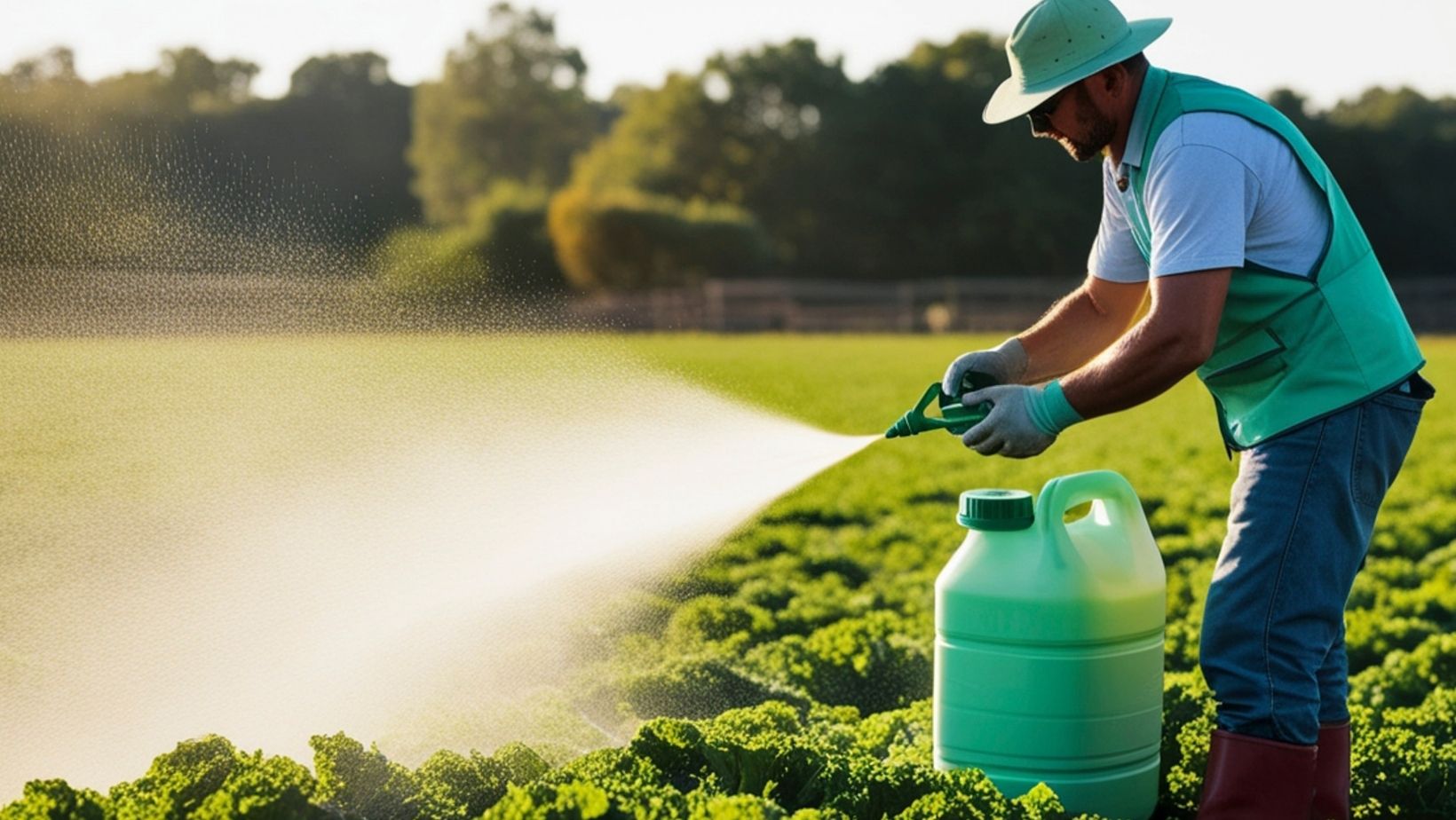
After use, protective clothing should be washed separately from everyday laundry, and reusable equipment should be cleaned thoroughly according to label instructions.
Safe Mixing and Application Practices
Pesticides should always be mixed in well-ventilated areas, preferably outdoors, to reduce inhalation risk. Containers and measuring tools used for pesticides should never be repurposed for food or drink preparation. Spills should be cleaned immediately using recommended procedures from the product instructions.
Weather conditions also matter. Wind can carry pesticide particles beyond the intended area, while rain can wash chemicals into waterways. Applying pesticides during calm, dry conditions helps reduce environmental contamination.
Storage and Transport Safety
Improper storage is a common cause of accidental poisoning, especially in homes with children or pets. Pesticides should always be kept in their original containers with labels intact. They should be stored in a locked, well-ventilated cabinet away from food, feed, and drinking water. Temperature extremes should be avoided, as heat or freezing conditions can affect chemical stability.
During transport, containers should be secured to prevent tipping or leaking. They should never be placed in the same space as food or passengers where contamination could occur.
Environmental Protection Considerations
Pesticides can impact more than just target pests. They may harm pollinators such as bees, beneficial insects, birds, and aquatic life. To reduce environmental harm, users should avoid spraying near water sources, flowering plants, or areas where beneficial organisms are active. Buffer zones and targeted application techniques help minimize unintended spread.
Whenever possible, eco-friendly pest control methods such as natural predators, biological controls, organic sprays, and habitat management should be prioritized to reduce reliance on synthetic chemicals.
Integrated pest management strategies—such as crop rotation, biological controls, and mechanical removal—can reduce the need for chemical pesticides and support long-term environmental health.
Disposal and Cleanup
Unused pesticides and empty containers must be disposed of properly. They should never be poured into drains, soil, or natural waterways. Many communities have designated hazardous waste collection programs for safe disposal. Following local regulations ensures that chemicals do not enter ecosystems or contaminate drinking water supplies.
After handling pesticides, users should wash hands and exposed skin thoroughly with soap and water. Equipment should be cleaned according to manufacturer instructions to prevent residue buildup.
Conclusion
Pesticides are powerful tools that require respect and careful handling. By following label instructions, using protective equipment, storing chemicals safely, and considering environmental impacts, users can significantly reduce risks. Pesticides should always be used responsibly, sparingly, and with safety as the top priority.